Returning to school can be an exciting yet challenging time for children on the autism spectrum and their families. New environments, expectations, and routines can feel overwhelming. With thoughtful planning and the right supports in place, this transition can be made smoother and more positive.
Building Predictable Routines
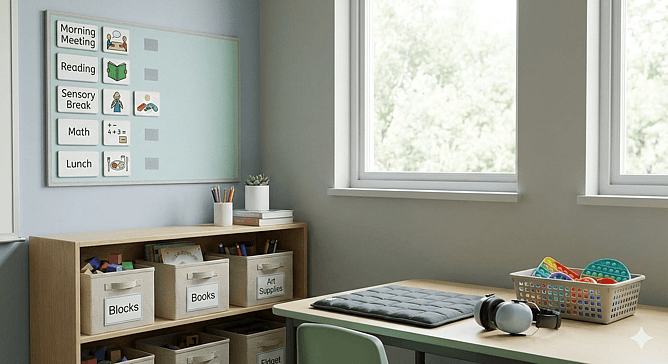
Clear and consistent routines can help children with autism feel more secure as they prepare for the school day. Predictability reduces anxiety by allowing children to know what to expect. Morning routines, visual schedules, or simple daily planners can help outline each step of the day. Visual aids such as charts or calendars can be especially helpful in supporting understanding and independence, creating a sense of calm as children move through their day.
Supporting Transitions
Transitions, whether between activities, environments, or routines can be particularly challenging. Gradual preparation can make a meaningful difference. Visiting the school before the term begins allows children to become familiar with their classroom, playground, and key staff. Practising transitions at home through role-play or simple discussions can also help children feel more confident when changes occur. These small, proactive steps can reduce stress and support emotional readiness.
Sensory Planning for the School Environment
Busy classrooms and school settings can be sensory-rich environments. Sensory planning helps children manage potential overload and feel more comfortable throughout the day. A personalised sensory toolkit may include items such as noise-reducing headphones, fidget tools, or calming visuals. Schools can also support inclusion by providing access to quiet spaces where children can regulate and reset when needed.
Collaboration Between Home and School
Open communication between parents, carers, and teachers is key to a successful school experience. Sharing insights about a child’s preferences, triggers, and helpful strategies allows for more consistent support across settings. Regular check-ins help address challenges early and ensure adjustments can be made as needed. When everyone works together, children benefit from a more understanding and supportive learning environment.
Celebrating Progress and Building Confidence
Recognising small achievements can have a big impact. Celebrating progress, whether it’s managing a transition, completing a task, or trying something new, helps build confidence and motivation. Positive reinforcement and encouragement create a nurturing environment where children feel valued and supported. Over time, this fosters resilience and a greater sense of independence at school.