Type 2 diabetes is a long-term condition that affects how the body processes sugar (glucose). It happens when the body doesn’t use insulin properly (insulin resistance) or when the pancreas doesn’t make enough insulin to keep blood sugar levels stable.
Insulin is a hormone that helps glucose move from the bloodstream into the body’s cells, where it’s used for energy. When insulin isn’t working well, glucose stays in the blood and levels rise over time. If left unmanaged, type 2 diabetes can increase the risk of serious health complications, including heart disease, kidney issues, nerve damage, and vision problems.
What Increases the Risk of Type 2 Diabetes?
Type 2 diabetes can affect anyone, but certain factors increase the likelihood of developing it. These include:
being overweight or carrying extra weight around the abdomen
low physical activity levels
age (risk increases after 45)
family history of diabetes
high blood pressure or high cholesterol
a diet high in processed foods and added sugars
While some risk factors can’t be changed, many can be improved with the right support and lifestyle changes.
Early Signs to Watch For
Recognising early symptoms can help people get support sooner and reduce the risk of complications. Common signs include:
frequent urination
increased thirst
fatigue or low energy
blurred vision
slow-healing cuts or wounds
Some people may not notice symptoms at all, which is why regular check-ups and blood tests are important, especially if risk factors are present.
Managing Type 2 Diabetes Early
The good news is that early management can make a big difference. Many people improve their blood sugar control through consistent, healthy habits.
Key areas include:
Healthy eating
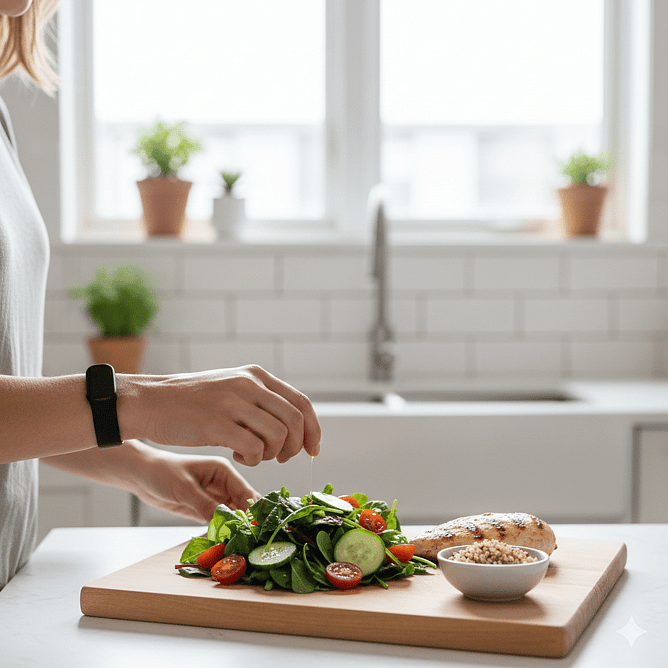
A balanced diet with vegetables, fruit, whole grains, and lean proteins can help stabilise blood sugar levels and support overall health.
Regular physical activity
Exercise supports weight management and improves the body’s ability to use insulin. Even small changes, like walking more often, can have a positive impact.
Blood sugar monitoring
Tracking blood glucose helps individuals understand how food, movement, stress, and sleep affect their levels.
When Medication Is Needed
For some people, lifestyle changes may not be enough on their own. In these cases, doctors may recommend medication (oral tablets or insulin therapy) to support blood sugar control.
Working closely with a healthcare team is important to find the right plan, and ongoing education and support can make management feel more achievable and less overwhelming.
How Holistic Strength Can Support You
At Holistic Strength (Perth, WA), we support individuals living with type 2 diabetes through evidence-based exercise and lifestyle support designed to improve strength, mobility, confidence, and long-term health.
We also run Diabetes Group Classes every Monday and Friday for people who want support, motivation, and guidance in a welcoming environment.
If you’d like to join, you can email us or call our team to learn more.