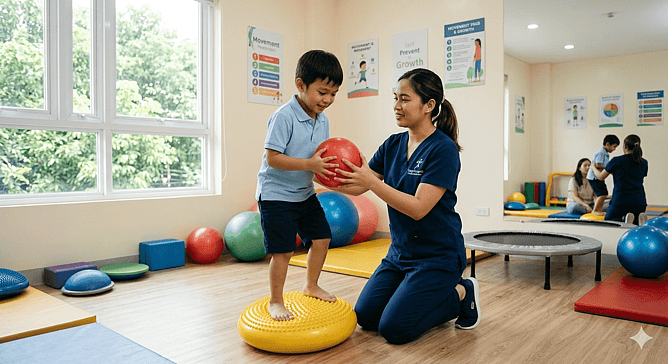
Cerebral palsy is a group of conditions that affect movement, muscle control, and balance. It is caused by abnormal brain development or damage to the developing brain, which can occur before, during, or shortly after birth. While it is a lifelong condition, the way it affects each individual can vary significantly.
Children with cerebral palsy may experience challenges with walking, coordination, communication, or completing everyday tasks. Understanding the condition helps families, caregivers, and communities provide the right support to help each child reach their potential.
Types of Cerebral Palsy
Cerebral palsy is classified based on the type of movement affected:
Spastic cerebral palsy – characterised by stiff and tight muscles
Athetoid cerebral palsy – involves involuntary or uncontrolled movements
Ataxic cerebral palsy – affects balance and coordination
Some children may experience a combination of these types. Each child’s needs and abilities are unique, which is why personalised support is essential.
Daily Challenges and Support Needs
Children with cerebral palsy may face challenges with physical activities, fine motor skills, and social participation. Tasks such as walking, writing, or engaging in play can require additional support. Some children may also experience associated conditions, including speech or learning difficulties.
Providing the right support can improve confidence, independence, and overall wellbeing. Creating inclusive environments at home, school, and in the community helps children feel valued and supported.
The Importance of Early Intervention
Early support plays a key role in development. Access to allied health services such as physiotherapy, exercise physiology, speech therapy, and occupational therapy can help children build strength, coordination, and functional skills.
Family involvement is also essential. Encouragement, consistency, and a supportive environment can make a significant difference in a child’s progress. Connecting with support networks and community resources can also help families feel more informed and supported.
Supporting Long-Term Development
With the right strategies and support systems in place, children with cerebral palsy can continue to build independence and confidence over time. Ongoing therapy, structured programs, and consistent routines help support physical development and participation in everyday activities.
Focusing on strengths, celebrating progress, and providing opportunities for participation allows children to thrive in their own way.
How Holistic Strength Can Support You
At Holistic Strength in Perth, Western Australia, we support children with cerebral palsy through personalised, evidence-based allied health services. Our team provides tailored programs focused on improving movement, strength, coordination, and participation in daily life.
We work closely with families to create supportive, goal-focused plans that build confidence and independence over time.
Book an Exercise Physiology session or contact our team to learn more about how we can support your child’s development.