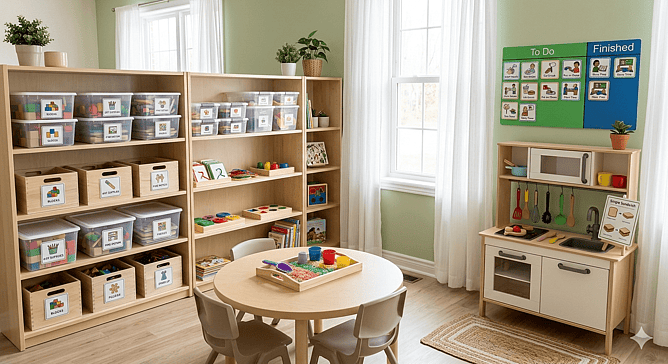
Intellectual disability can affect learning, communication, and daily functioning. With the right support, children can develop practical skills that build independence, confidence, and participation in everyday life.
Developing Everyday Life Skills
Teaching daily living skills is a key part of building independence. Activities such as getting dressed, preparing simple meals, or following routines help children gain confidence in managing everyday tasks.
Starting with small, achievable steps allows children to experience success and gradually build their abilities. With consistent practice and encouragement, these skills can support greater independence over time.
The Role of Community Programs
Community programs provide valuable opportunities for children to apply their skills in real-life settings. Activities such as life skills training, social groups, and structured programs help children practise communication, teamwork, and problem-solving.
Being part of a group also encourages social interaction and helps children feel included and supported, which is important for building confidence.
Support from Parents and Caregivers
Parents and caregivers play a central role in supporting independence. Encouraging children to try new tasks, offering guidance, and celebrating progress helps build motivation and self-esteem.
Establishing consistent routines can also provide structure and predictability, making it easier for children to learn and practise new skills.
Using Technology to Support Independence
Technology can be a helpful tool in daily life. Simple apps for reminders, schedules, or step-by-step instructions can support organisation and task completion.
Learning how to use these tools can help children develop independence and confidence, especially as technology becomes a larger part of everyday living.
Encouraging Community Participation
Engaging in community activities such as clubs, group programs, or volunteering can help children practise their skills in meaningful ways. These experiences support communication, social development, and a sense of belonging.
Over time, participating in the community can help children feel more confident and capable in navigating different environments.
How Holistic Strength Can Support You
We support children with intellectual disability through personalised, evidence-based allied health services. Our team focuses on building practical life skills, improving confidence, and supporting participation at home, school, and in the community.
We work closely with families to create structured, goal-focused programs tailored to each child’s needs.