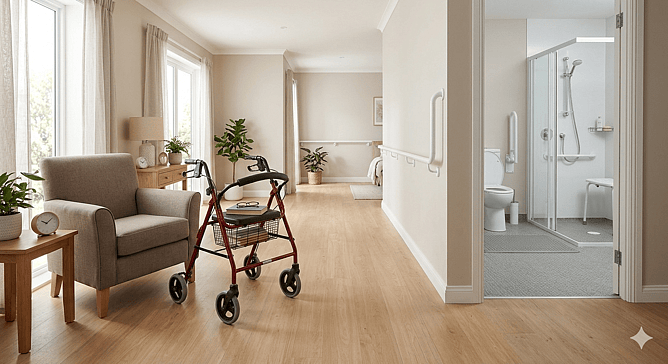
Parkinson's disease can affect movement, coordination, and daily function. While symptoms may present challenges, building consistent routines and using practical strategies can support independence, safety, and overall wellbeing.
Creating a Consistent Daily Routine
Establishing a daily routine can provide structure and reduce stress. Taking medication at the same time each day, planning regular meals, and organising daily tasks into a consistent schedule can help manage symptoms more effectively.
Simple activities such as dressing, bathing, and preparing meals become easier when done at familiar times. Consistency can support better coordination and make daily life feel more manageable.
Supporting Mobility and Movement
Mobility support is an important part of managing Parkinson’s disease. Assistive devices such as walking aids can improve safety and confidence when moving around. Exercise-based therapy can also help maintain strength, balance, and coordination. Targeted exercises can reduce the risk of falls and support more confident movement in daily activities.
Adapting the Home Environment
Small changes at home can make a significant difference. Keeping frequently used items within easy reach, reducing clutter, and improving lighting can enhance safety. Practical additions such as grab rails, non-slip mats, and supportive seating can help reduce fall risk and make everyday tasks more comfortable.
Making Daily Tasks More Manageable
Tasks like cooking can be simplified with the right approach. Using lightweight utensils, adaptive tools, and preparing meals in advance can reduce effort and fatigue. Planning ahead and maintaining a balanced diet can support energy levels and overall health.
Staying Connected and Supported
Social connection plays a key role in wellbeing. Staying engaged with family, friends, or support groups can reduce isolation and provide emotional support. Participating in regular social or community activities can help maintain a positive outlook and improve quality of life.
We support individuals living with Parkinson’s disease through personalised, evidence-based allied health services. Our Exercise Physiology programs focus on improving strength, balance, mobility, and confidence in daily life.
We work closely with clients to create safe, structured programs tailored to their needs and goals.