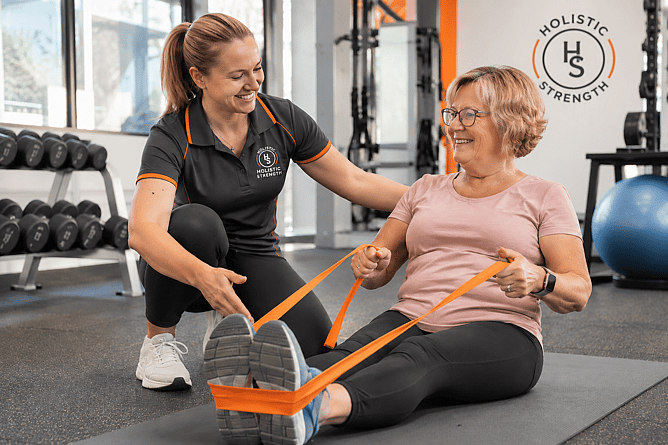
Osteoarthritis is a common joint condition that can affect how people move, work and enjoy everyday activities. It can cause joint pain, stiffness and reduced mobility, particularly in areas such as the knees, hips, hands and spine.
Although osteoarthritis can present challenges, there are practical ways to manage symptoms and maintain an active lifestyle. A combination of regular movement, healthy habits and the right support can help people work towards their individual goals and remain involved in the activities that matter to them.
1. Keep Moving with Regular Exercise
Exercise is an important part of managing osteoarthritis. While it may seem easier to avoid movement when joints feel uncomfortable, appropriate physical activity can help maintain mobility, strengthen the muscles around affected joints and support everyday function.
Low-impact activities can be a good starting point. These may include:
Walking at a comfortable pace
Swimming or exercising in water
Stationary cycling
Gentle strength exercises
Tai chi or other suitable movement activities
It's important to start at a manageable level and gradually build up activity as your confidence and tolerance improve. An Exercise Physiologist or Physiotherapist can help develop an exercise program that considers your symptoms, abilities and goals.
2. Include Gentle Movement and Stretching
Joint stiffness can make everyday movements feel difficult, especially after sitting or resting for a while.
Gentle mobility exercises and stretching may help maintain flexibility and make movement more comfortable. Depending on the joints affected, this could involve gentle knee bends, hip movements, hand exercises or shoulder stretches.
Try to avoid forcing movements or pushing through significant pain. If you're unsure which exercises are suitable, seek advice from a health professional who can recommend movements based on your individual needs.
3. Build Healthy Eating Habits
A balanced diet supports general health and can be part of an overall osteoarthritis management plan.
Aim to include a variety of:
Vegetables and fruits
Wholegrains
Lean protein sources
Nuts and seeds
Healthy fats, including those found in fish and olive oil
There is no single diet that cures osteoarthritis. However, eating a varied and balanced diet can support overall wellbeing and help with weight management where needed.
Staying hydrated is also important for general health, particularly when maintaining an active routine.
4. Consider the Role of Weight Management
For people with osteoarthritis affecting weight-bearing joints, such as the knees and hips, body weight can influence the amount of load placed on these joints.
If weight management is relevant to your health goals, even modest changes may help reduce joint loading. The most appropriate approach will depend on your circumstances, preferences and overall health.
A GP or other qualified health professional can help you explore realistic and sustainable options without relying on restrictive diets or unrealistic expectations.
5. Find the Right Support for Your Needs
Managing osteoarthritis does not mean you have to work everything out on your own. Different health professionals can provide support depending on your symptoms and goals.
Exercise Physiology: Supports strength, mobility, physical activity and individualised exercise programs.
Physiotherapy: Can assist with movement, joint function, strength and strategies for managing physical discomfort.
Occupational Therapy: Can help make everyday tasks more manageable through practical strategies, activity adjustments and equipment recommendations where appropriate.
Your GP can also help coordinate your care and discuss other treatment options if your symptoms are affecting your quality of life.
Keep Moving at Your Own Pace
Living with osteoarthritis may mean adjusting how you approach certain activities, but it doesn't mean giving up the things that are important to you.
Small, consistent changes can make a meaningful difference to how you manage everyday life. With appropriate exercise, healthy habits and individualised support, you can work towards maintaining your mobility, independence and participation in the activities you enjoy.
At Holistic Strength, our Exercise Physiologists, Physiotherapists and Occupational Therapists work with individuals to support movement, everyday function and personal goals.